
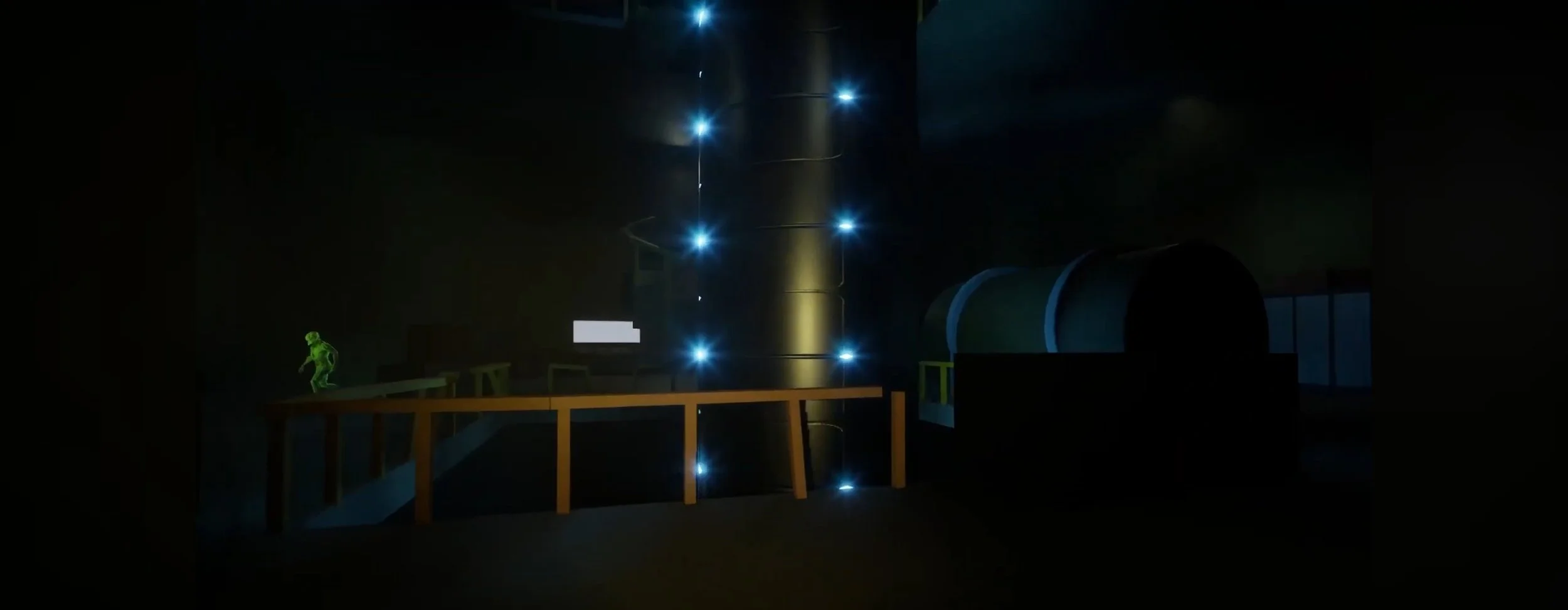
Silo
Level Description
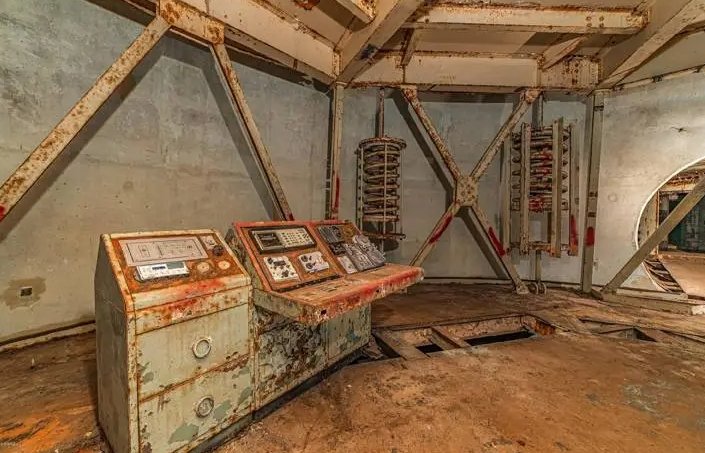
The level is set in an abandoned missile silo where players realize there’s no way out but forward. As they explore, a creature that reacts to sound roams the halls, forcing players to move carefully and listen closely. We used sound as the main source of tension, trigger boxes, noisy objects, and even player actions could attract the monster. One major challenge was working collaboratively in Unreal through GitHub, which initially caused merging issues and even level loss during development.
Level Purpose
Our design goal is to study how horror games gradually build fear and control pacing. We want to explore how tension can be layered through environmental design, encounters, and sound. Sound becomes a critical mechanic for creating vulnerability and dread since the main character can produce noises that attract monsters.
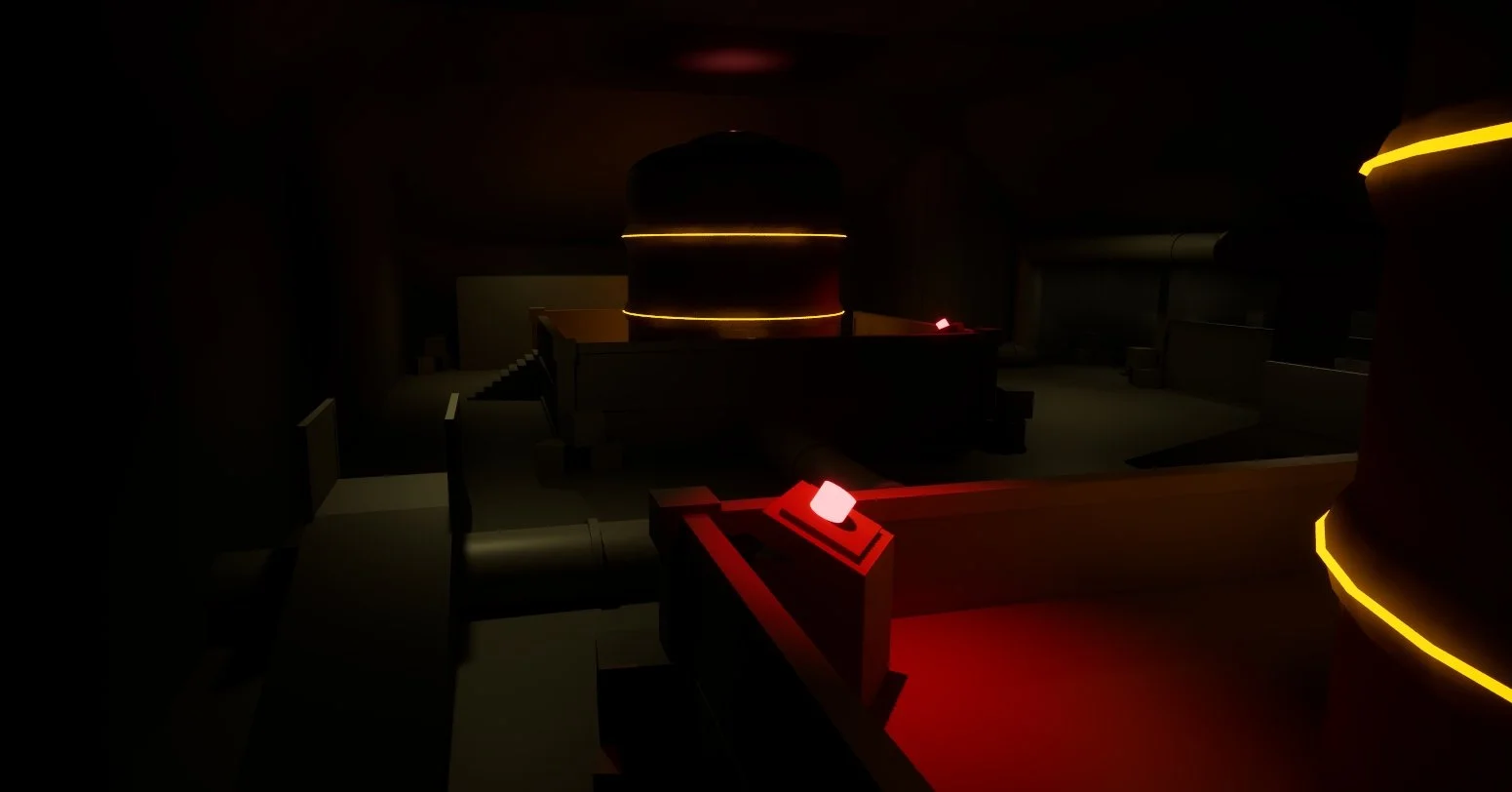
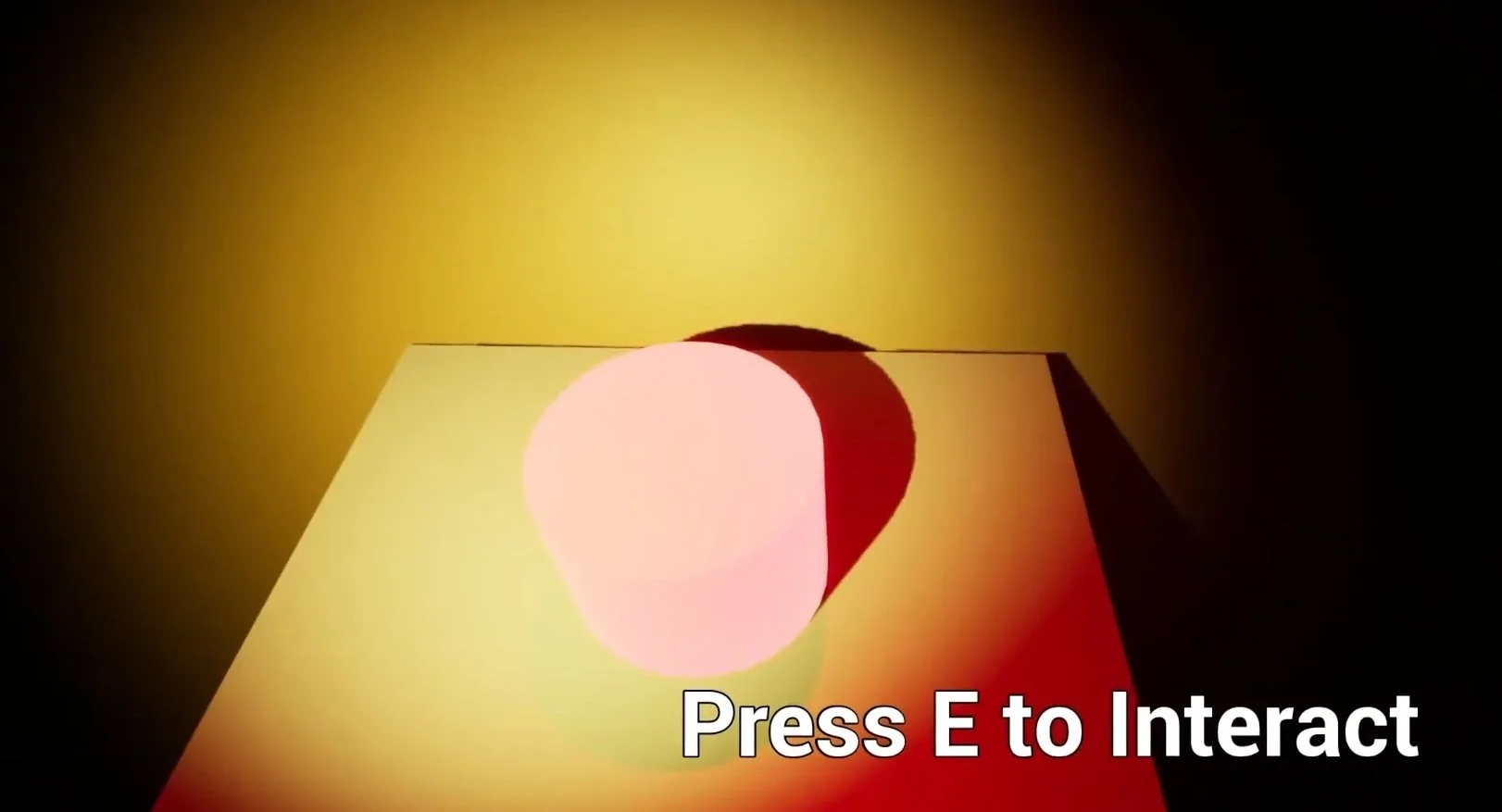
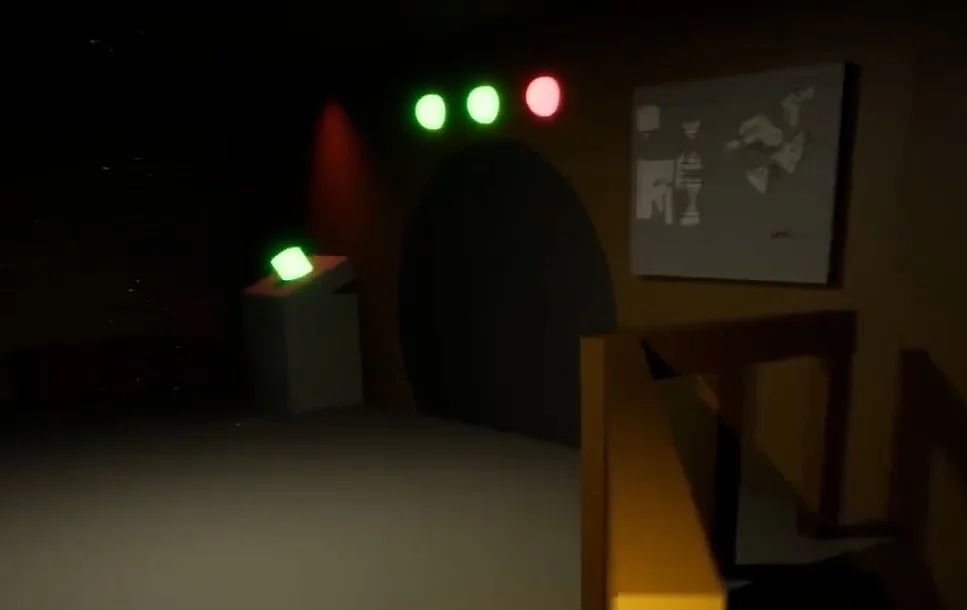
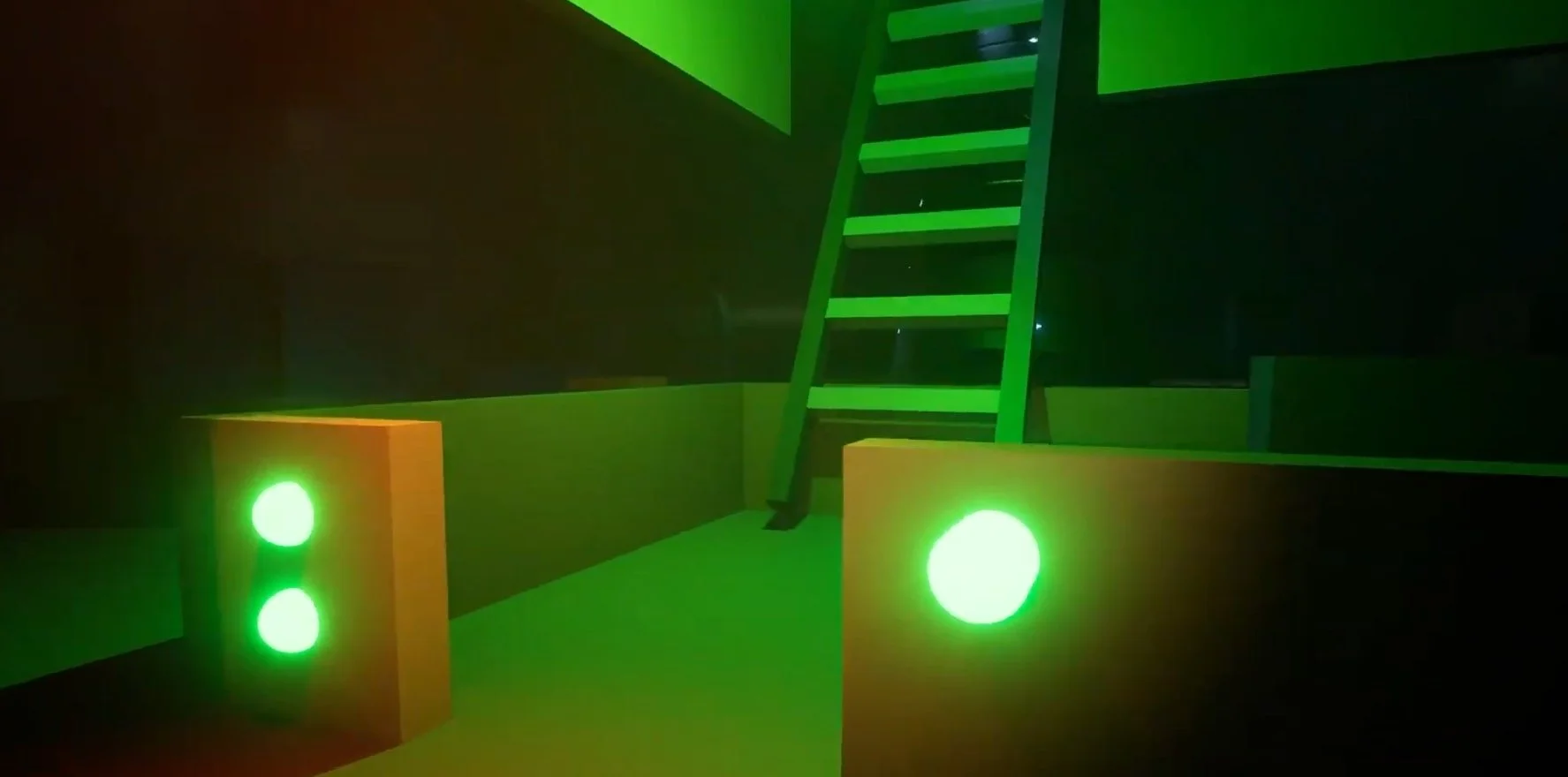
Whitebox Image Area 1
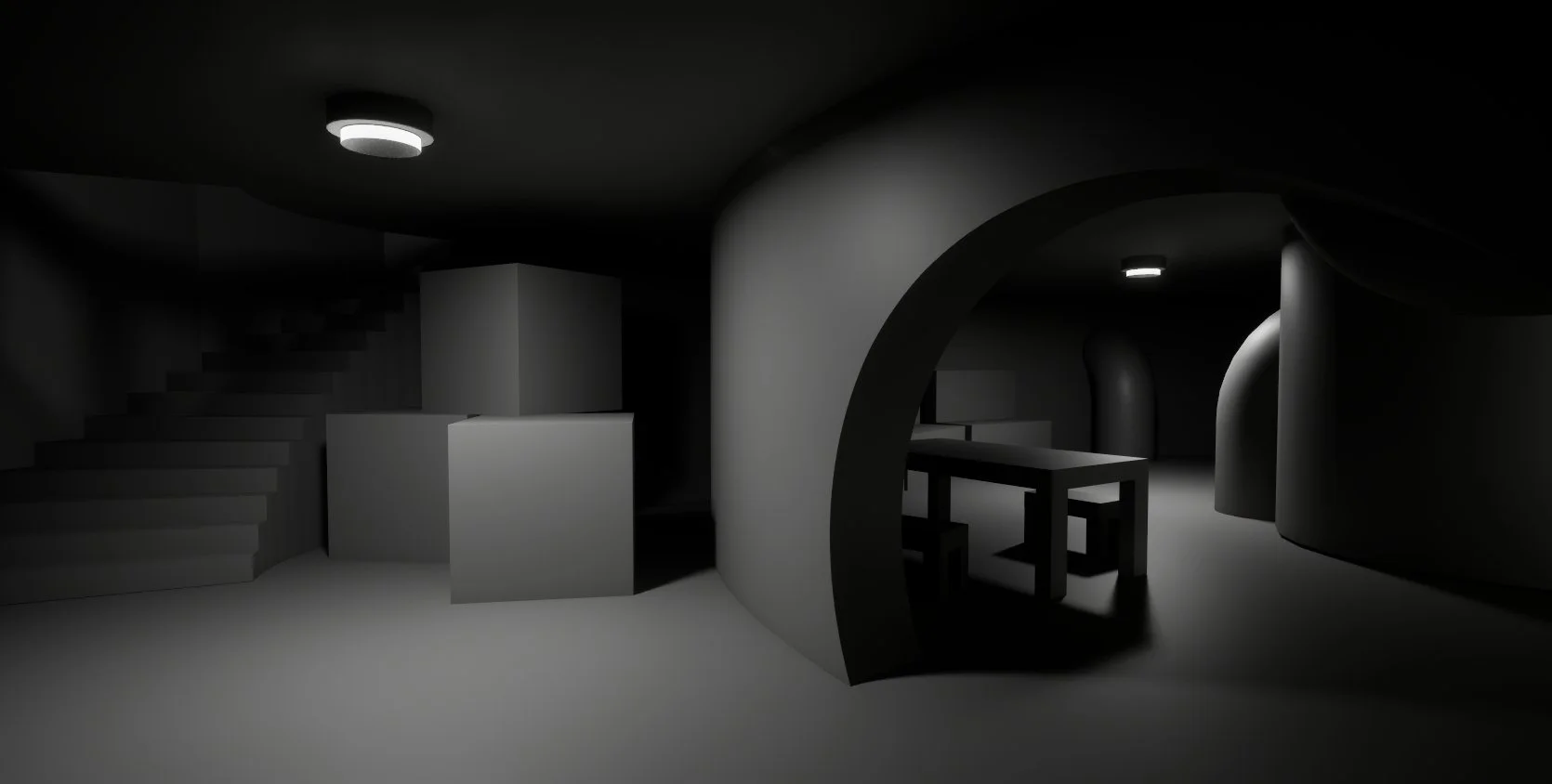
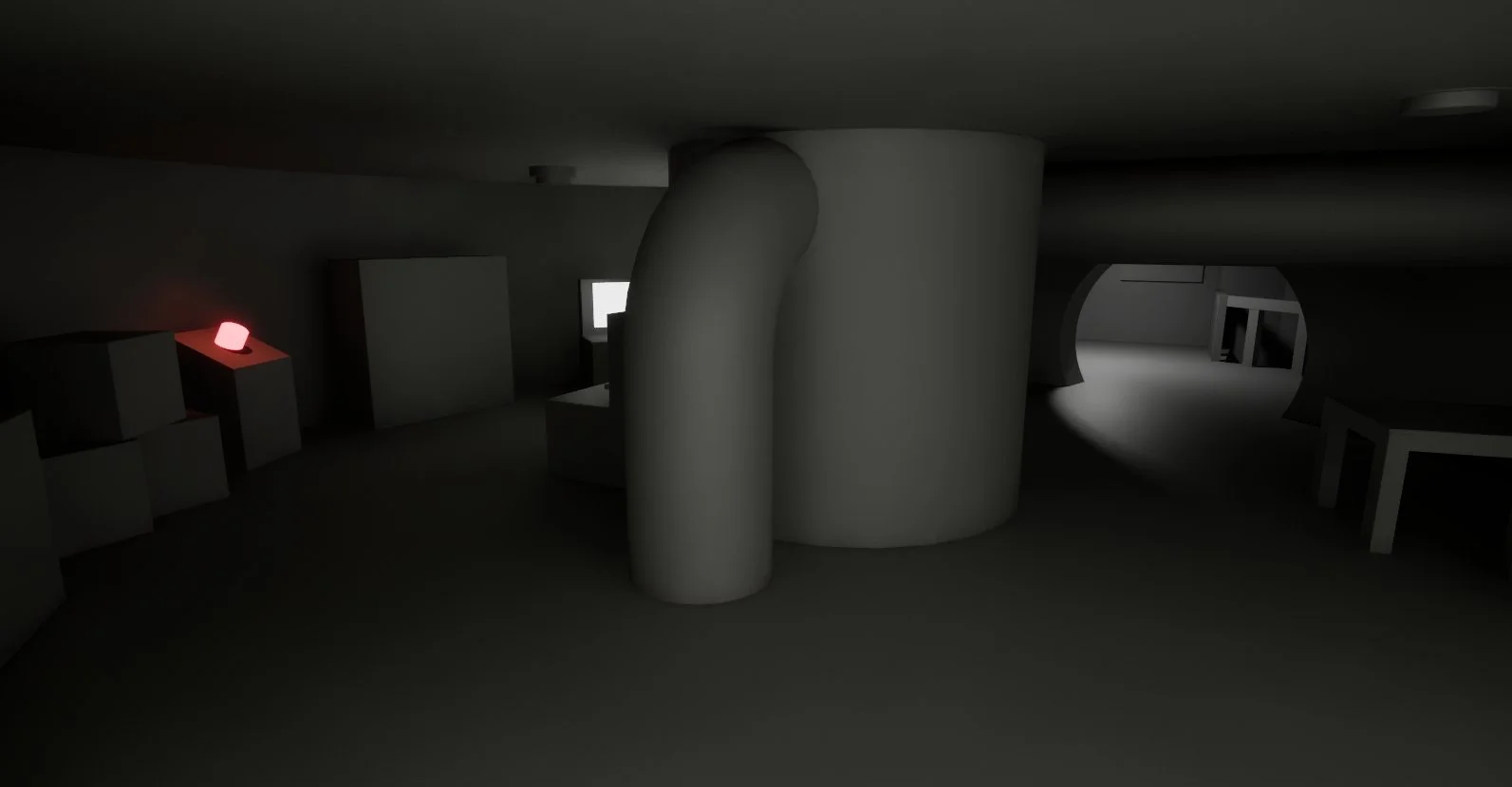
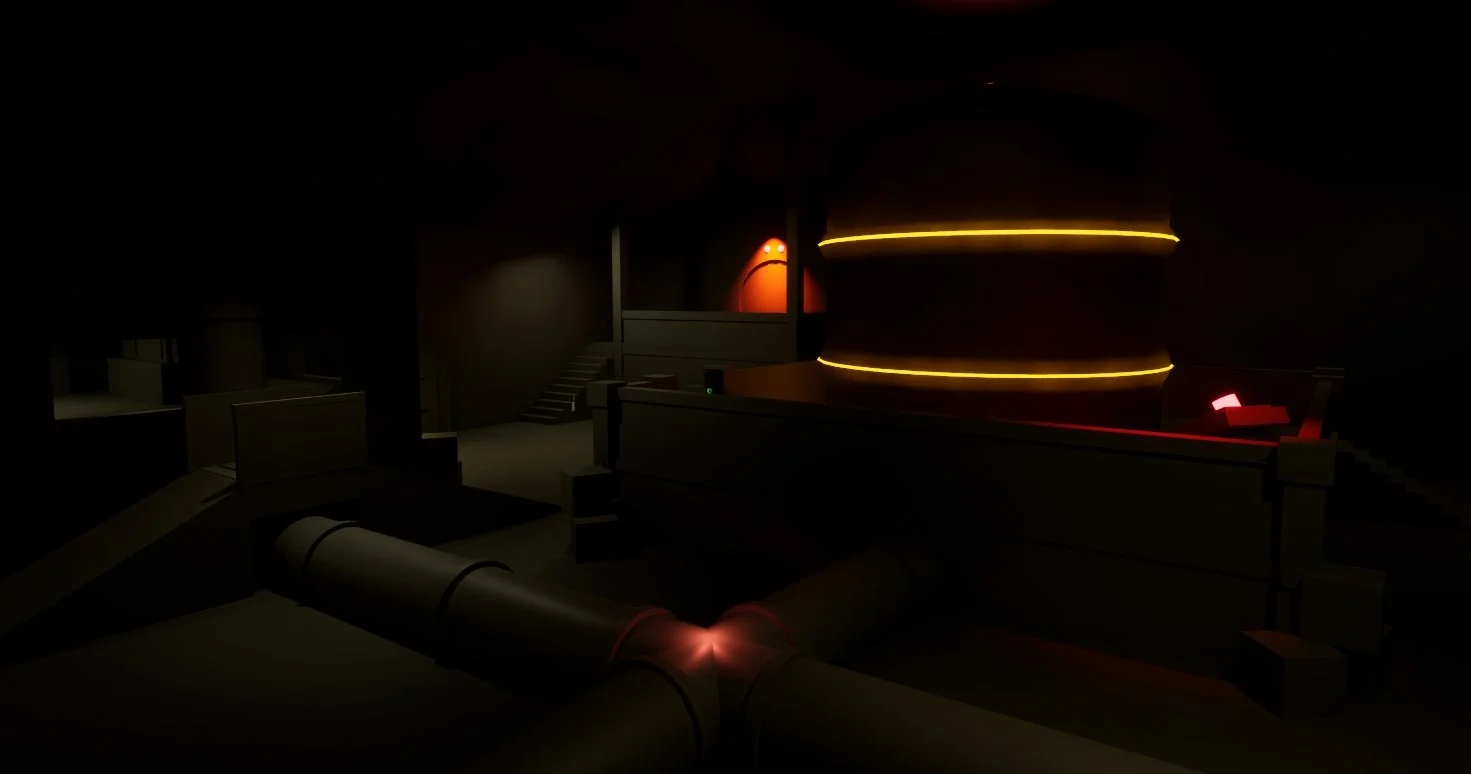
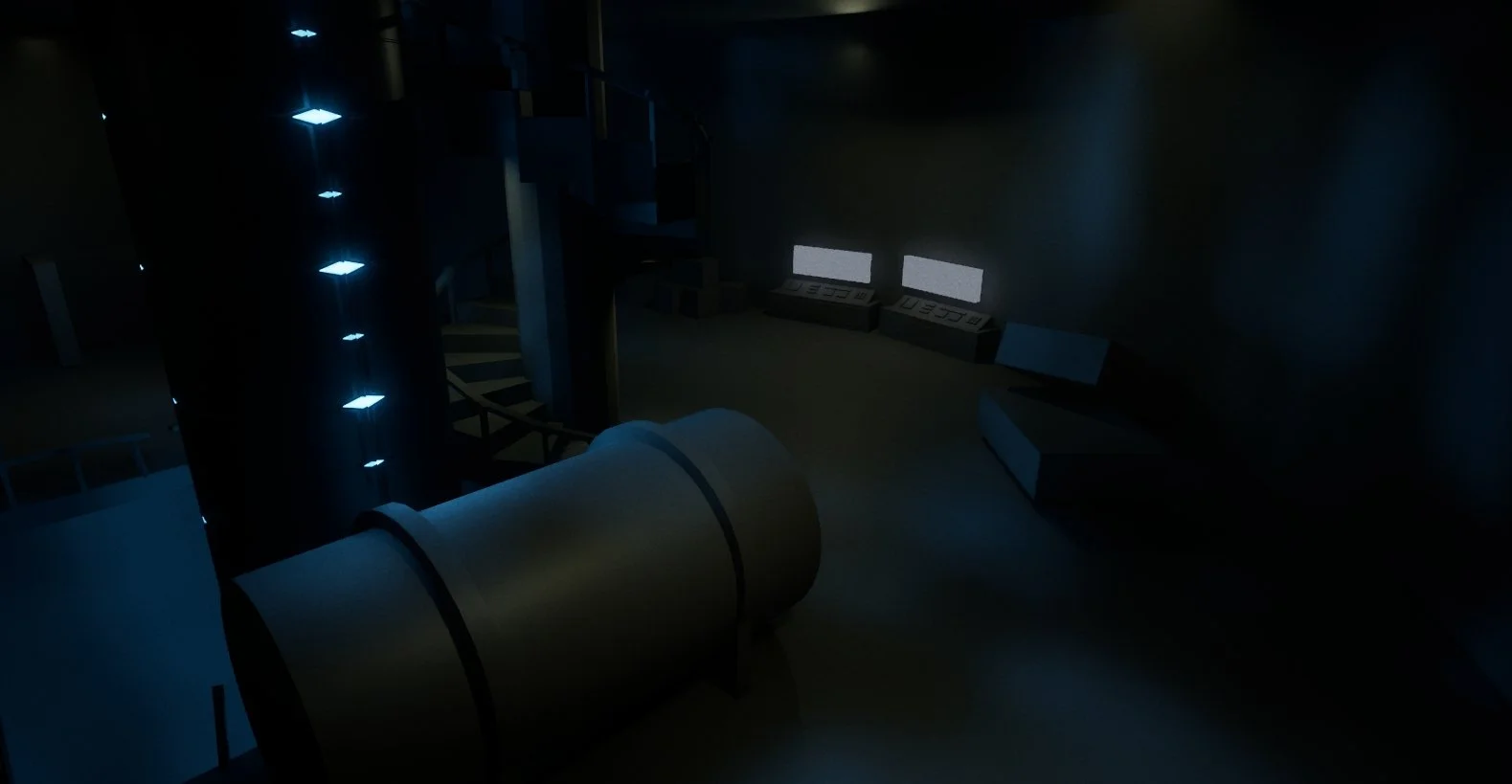
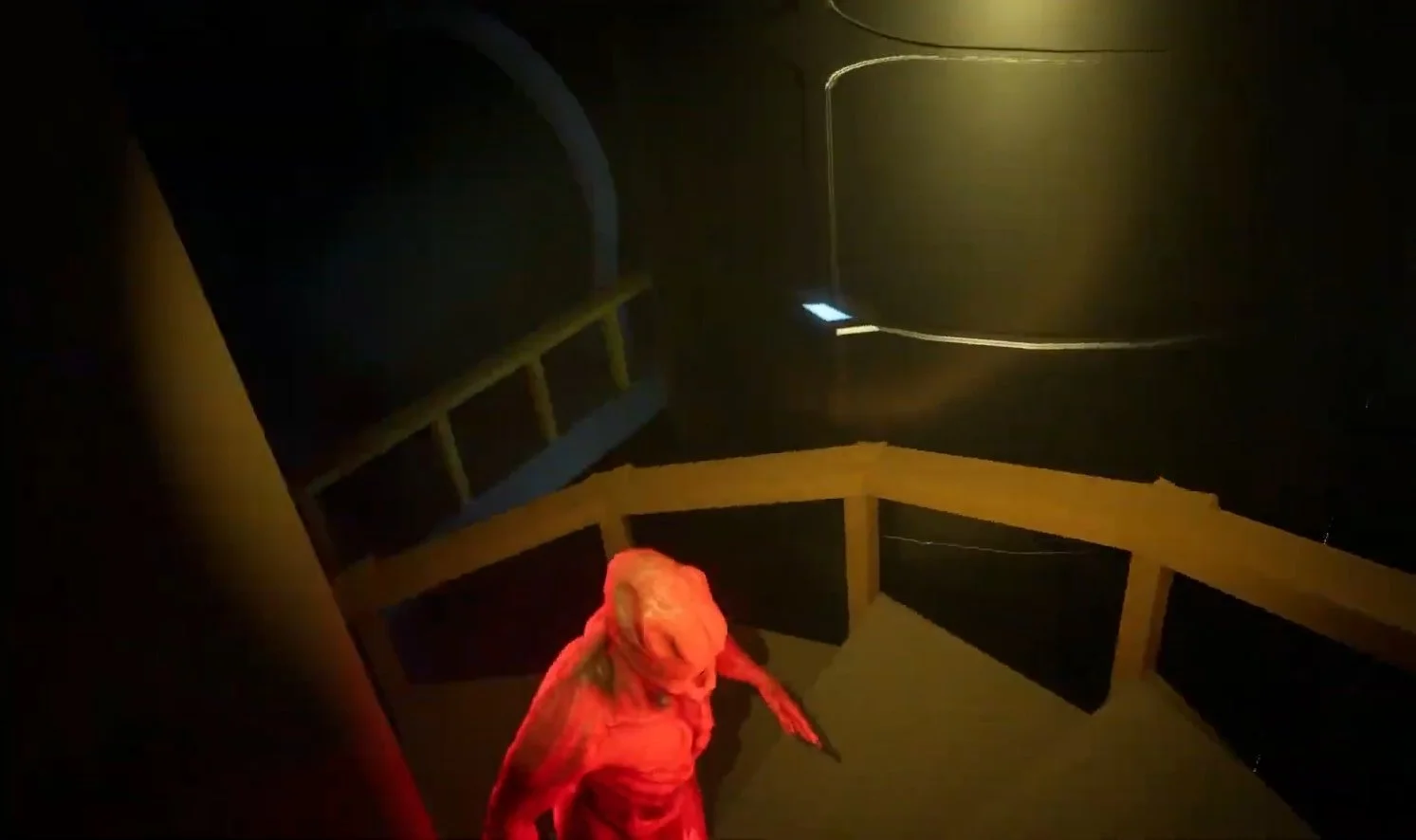
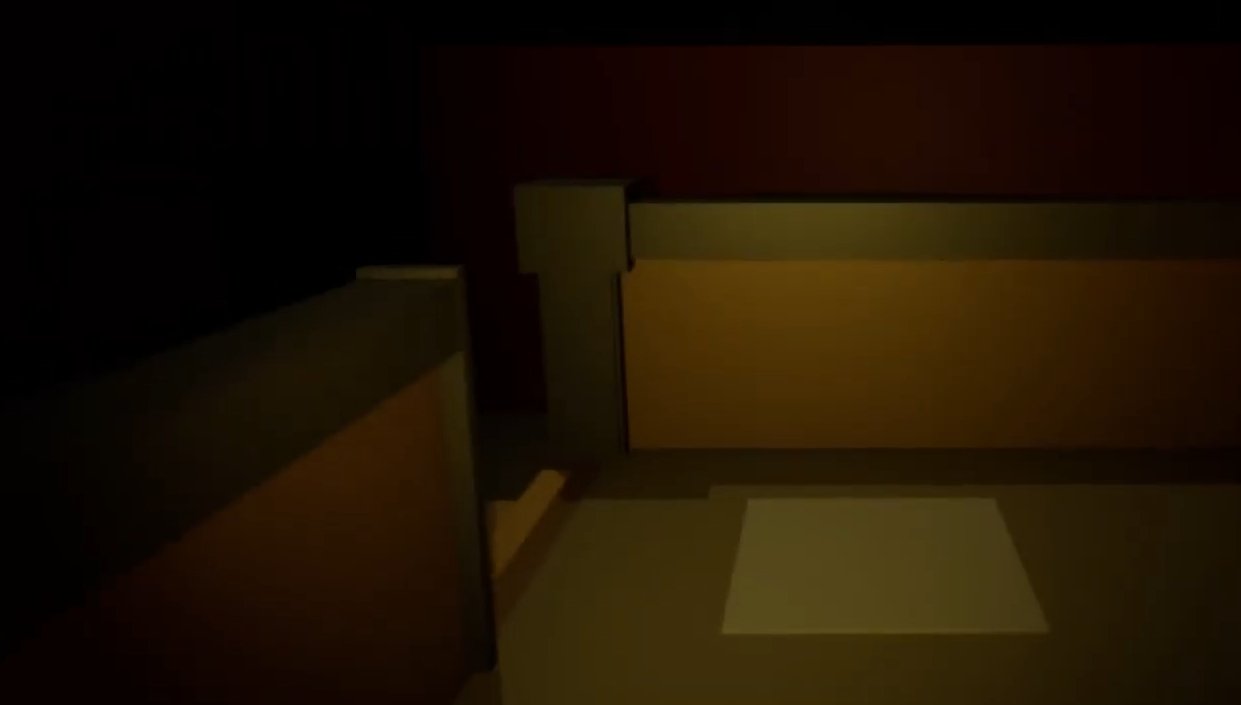
Whitebox Image Area 3
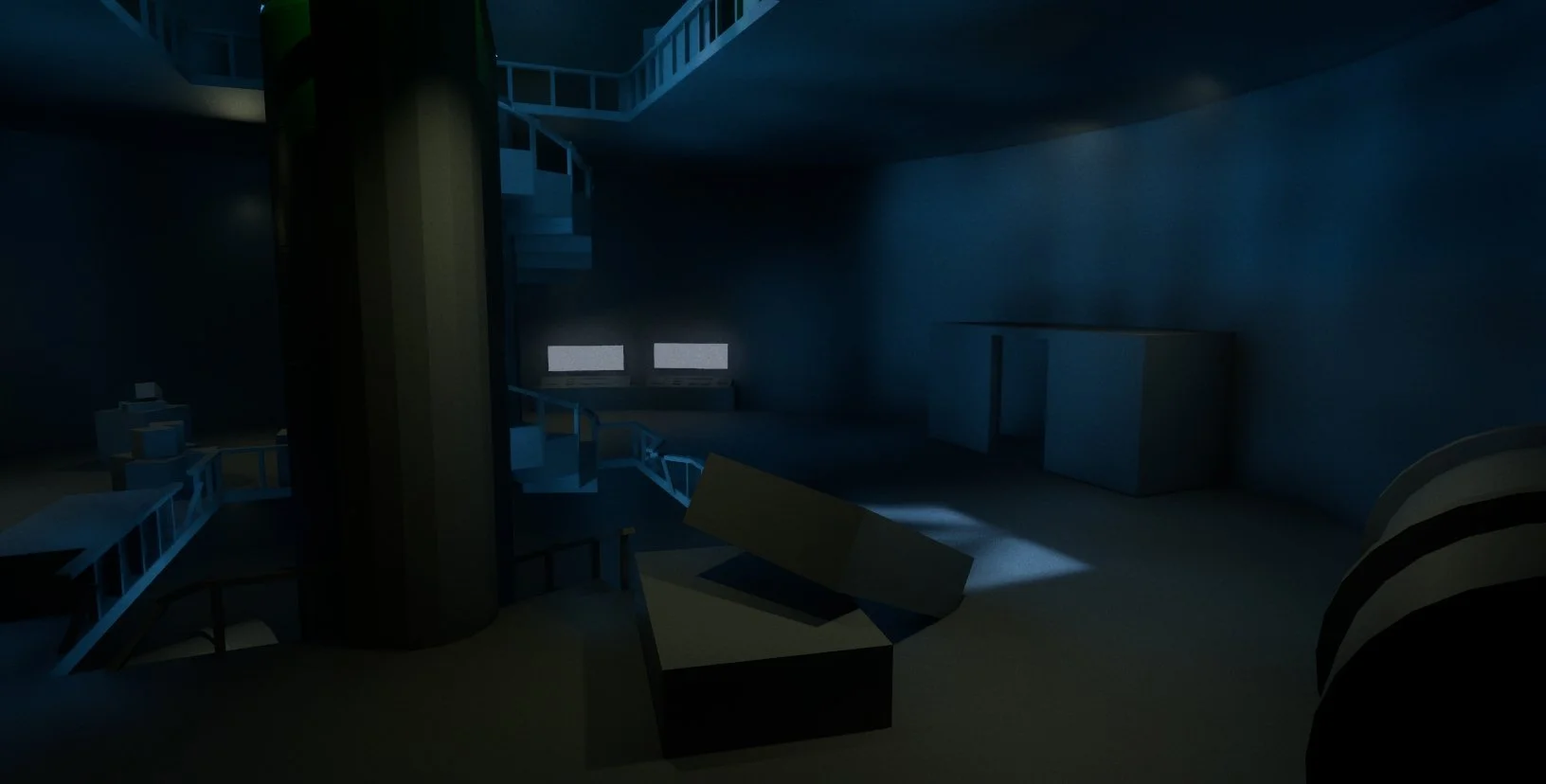
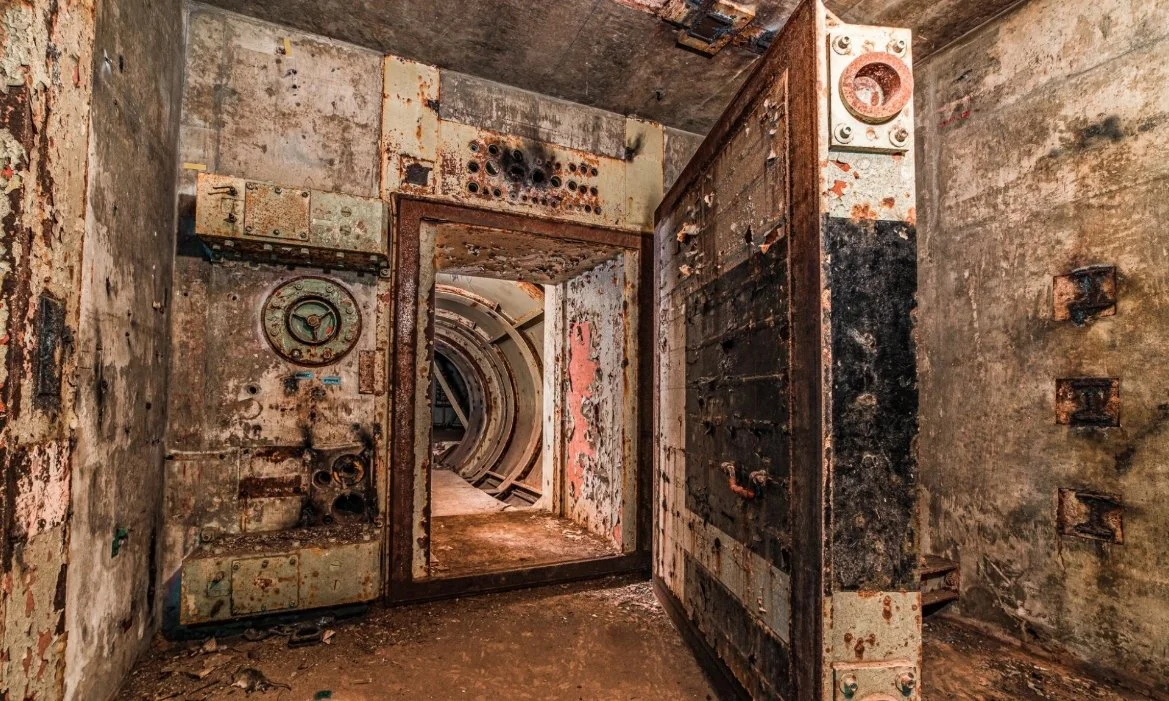
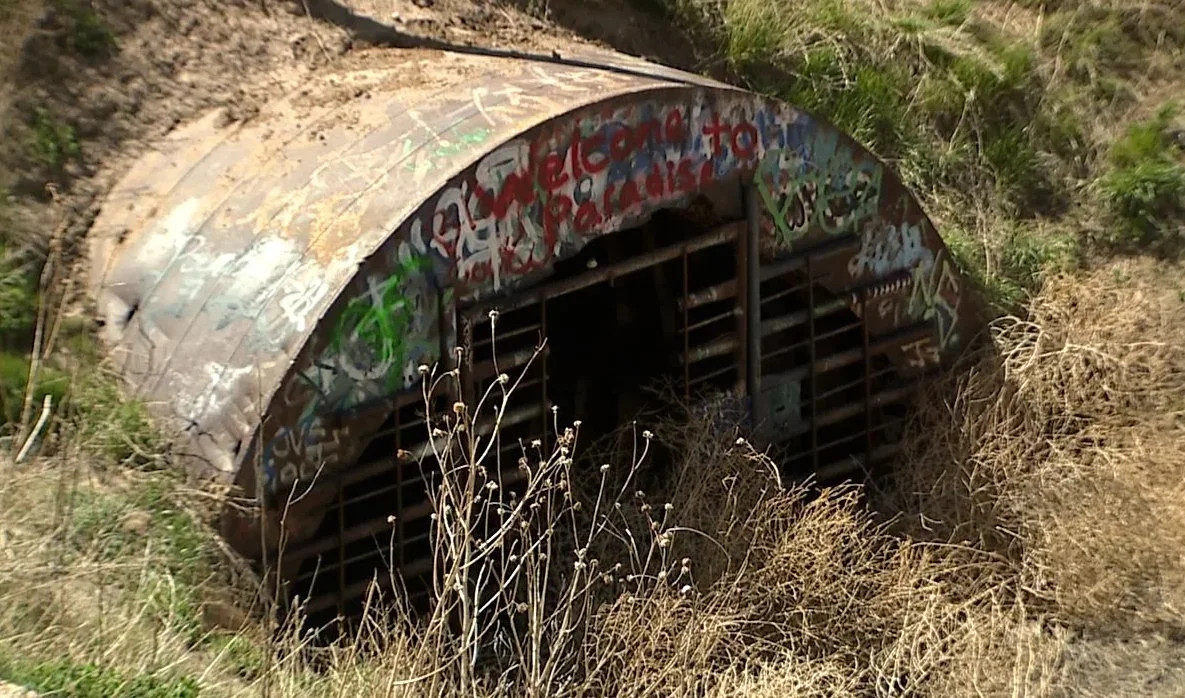

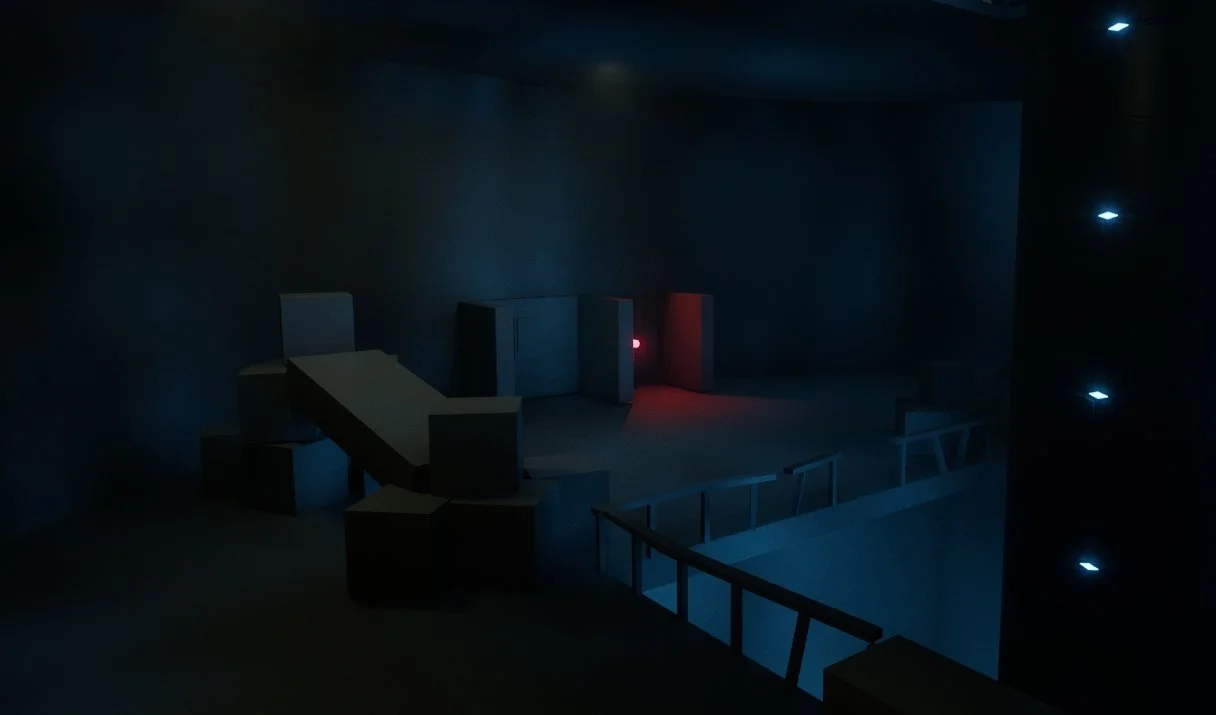
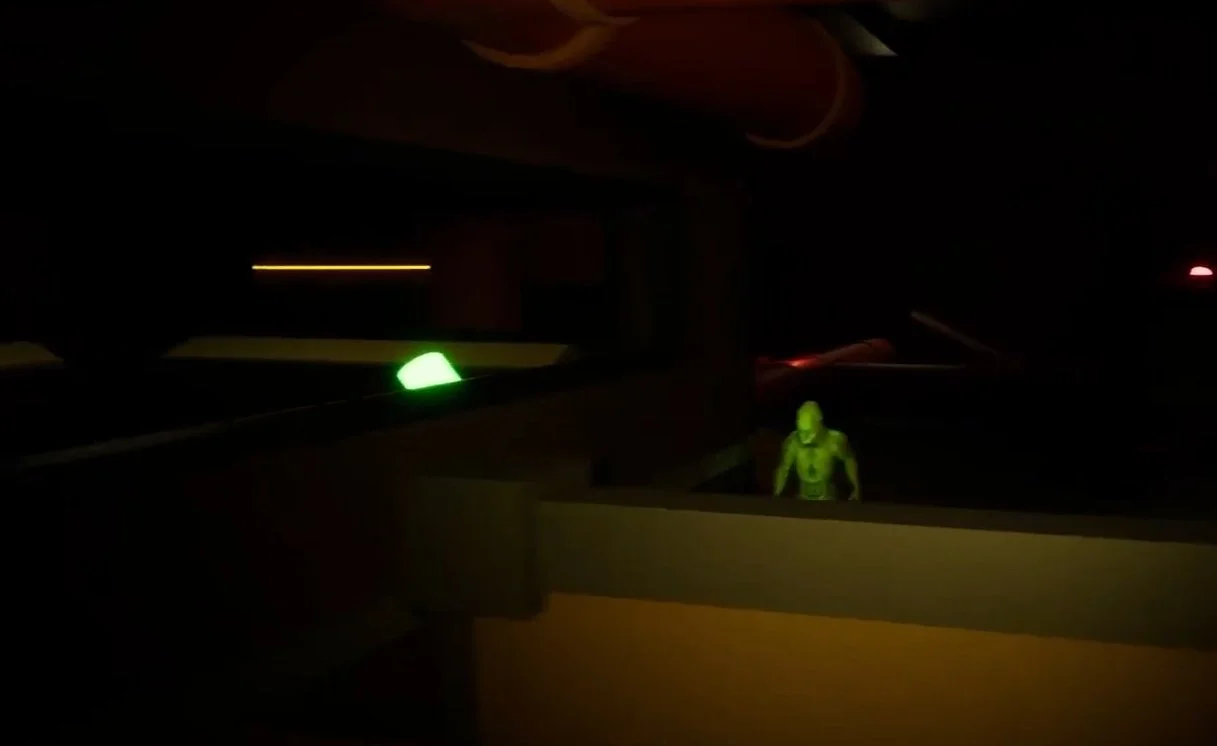
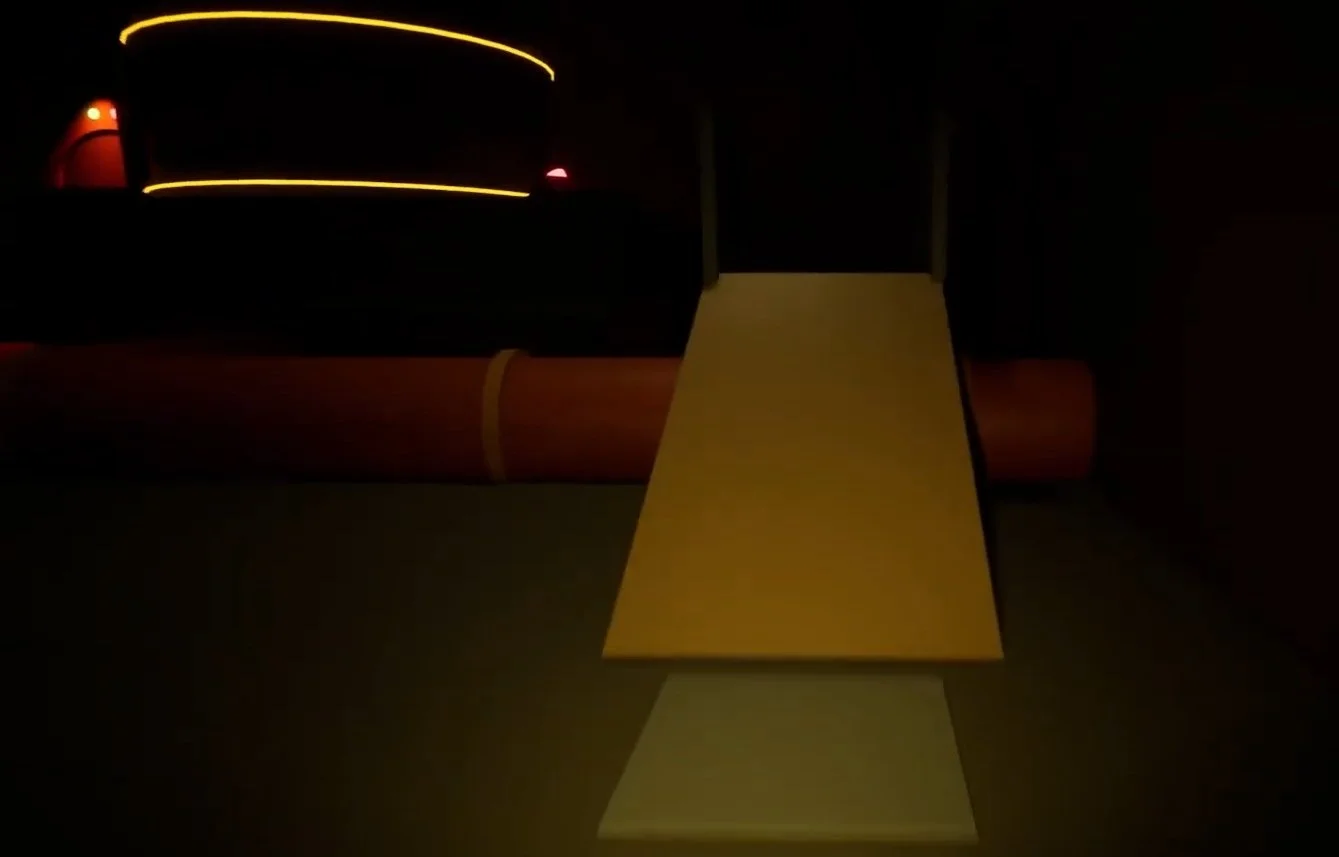
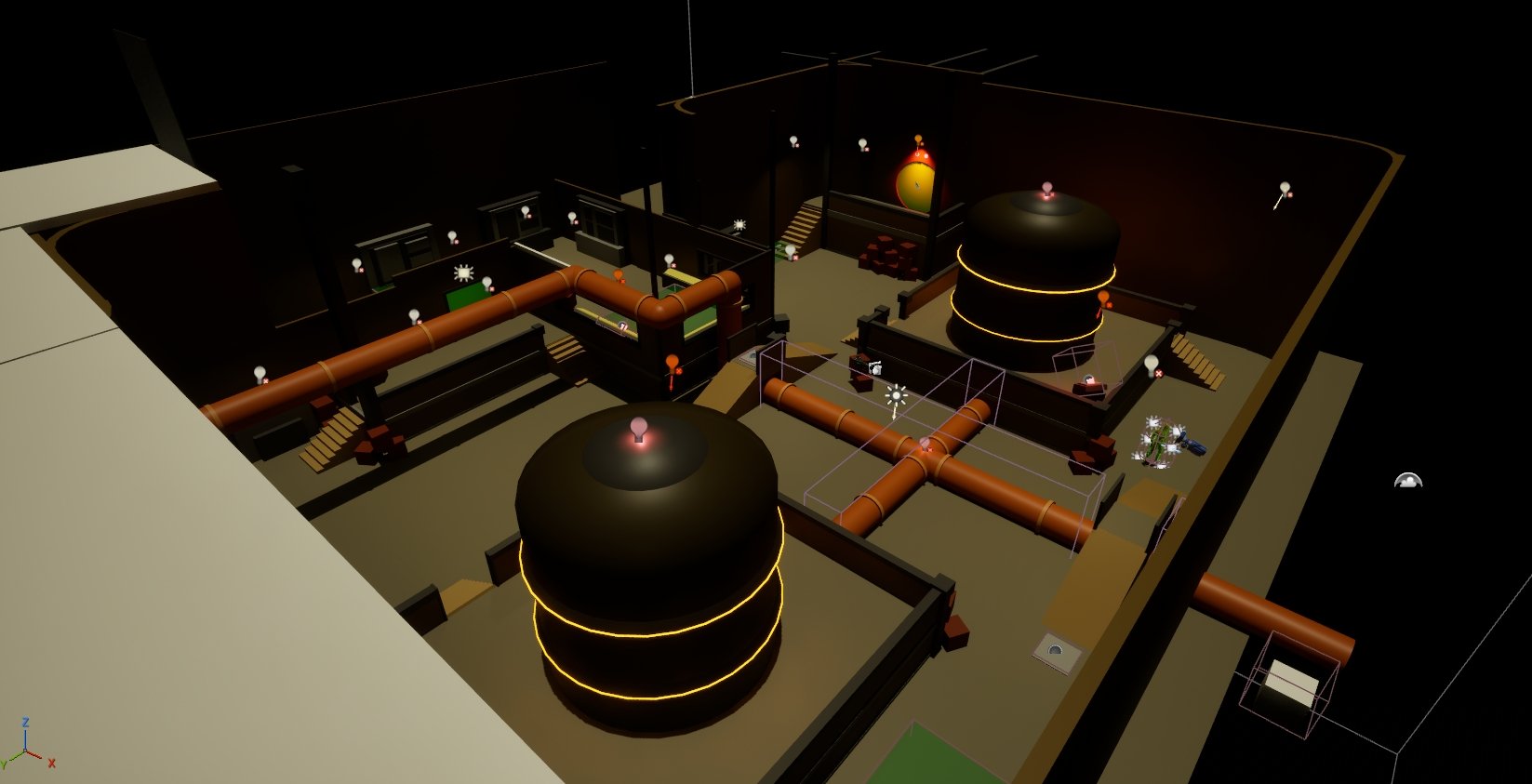
Whitebox Image Area 2
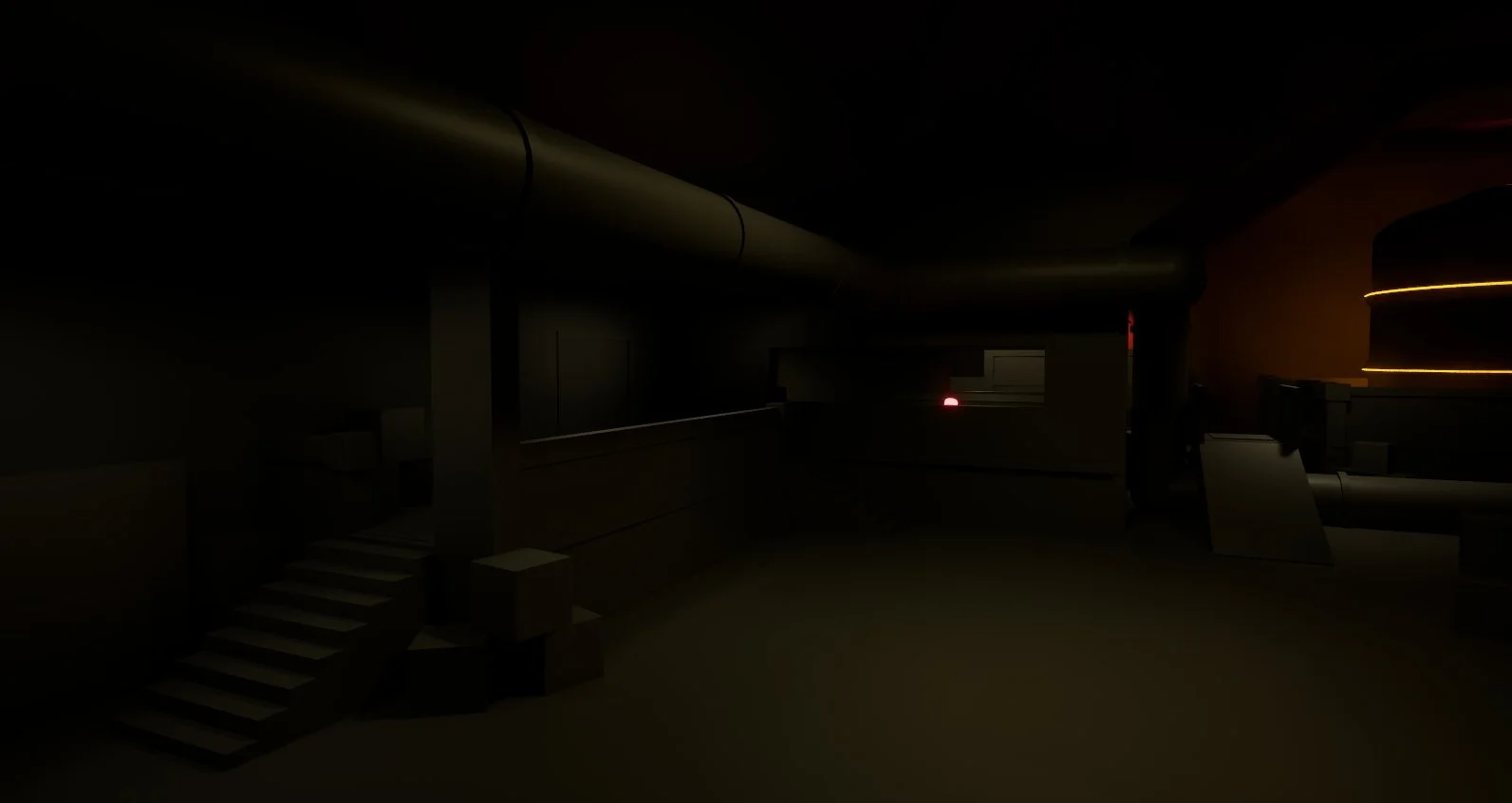
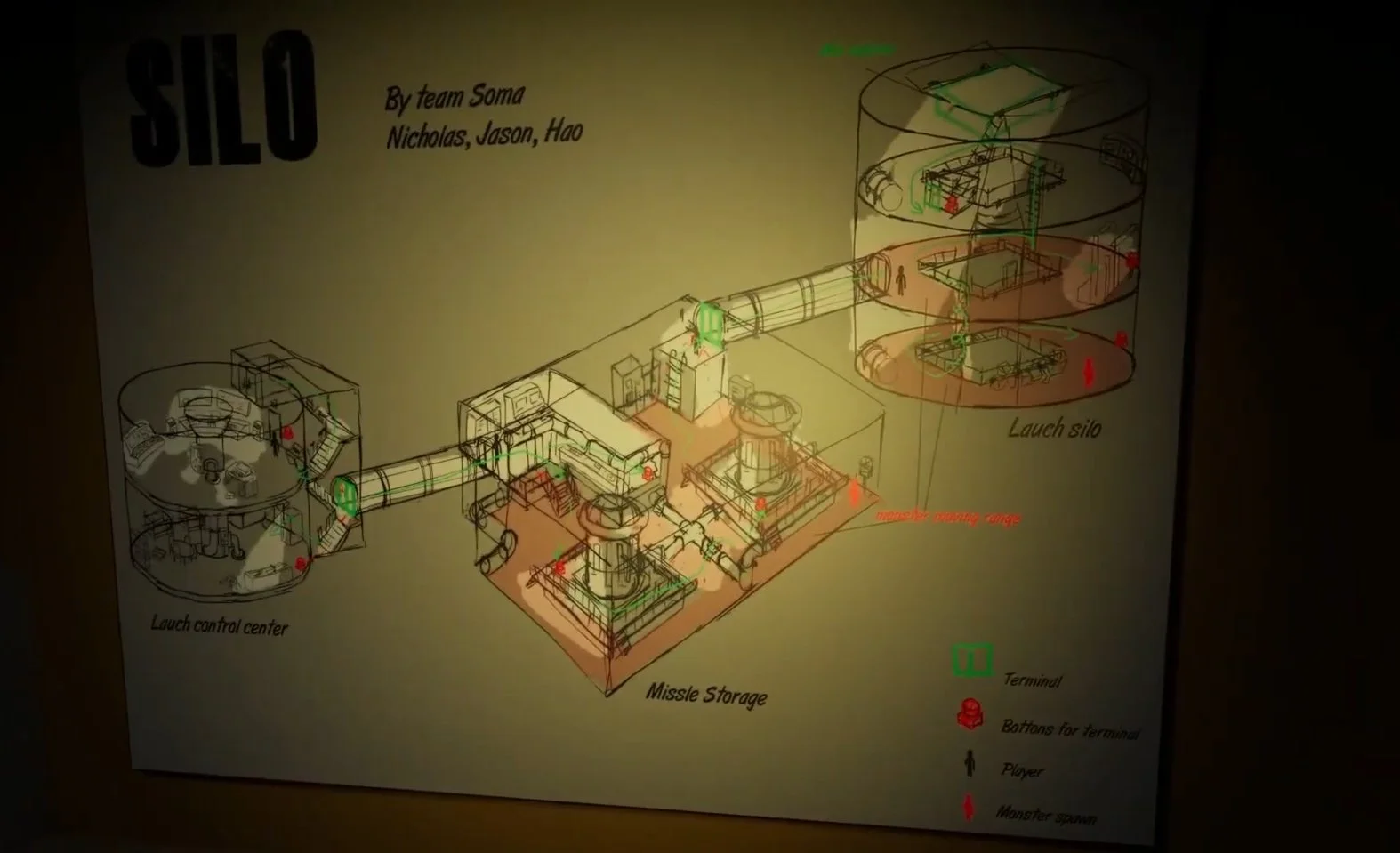
Level Map Design/ Preproduction
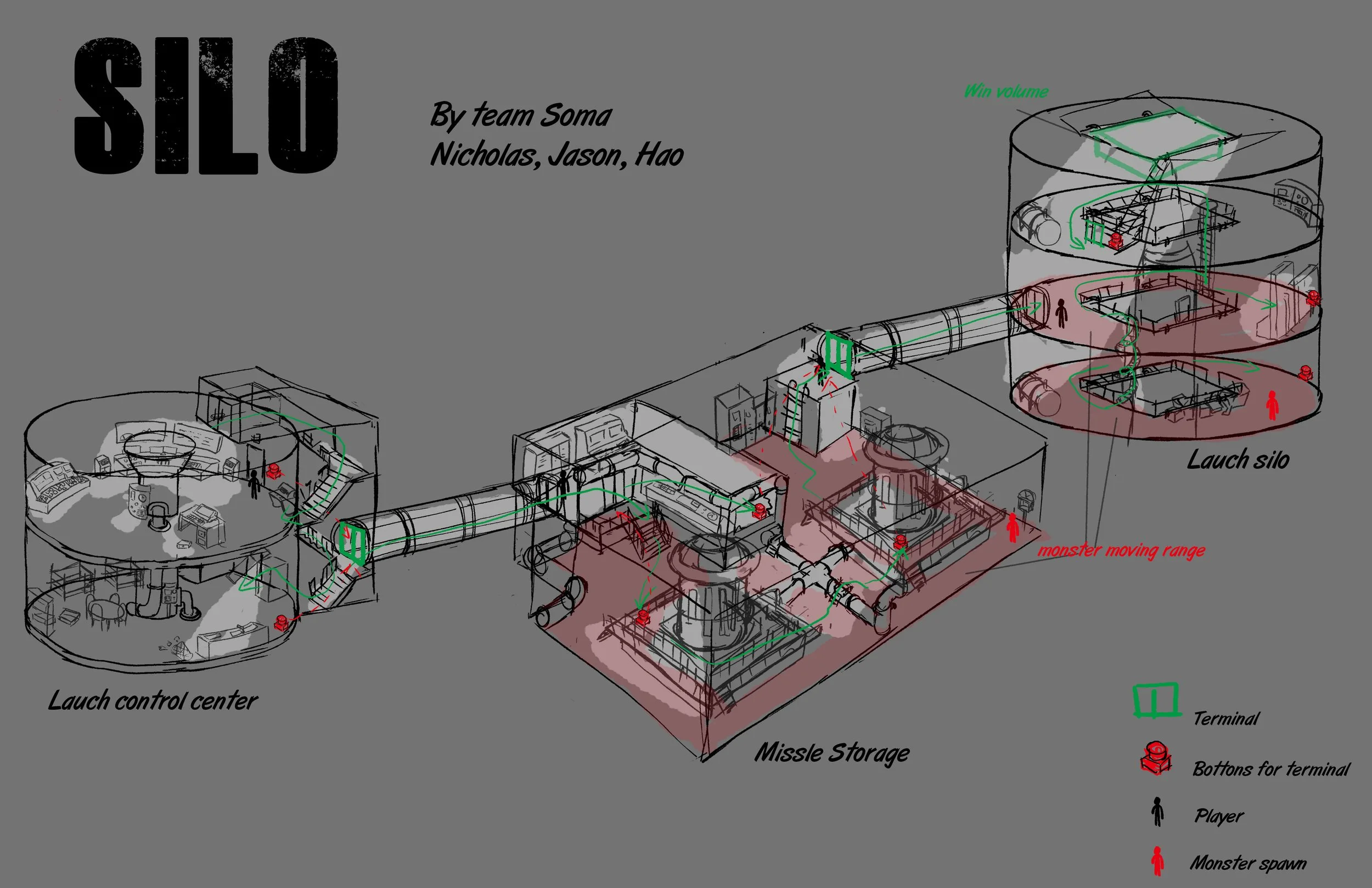
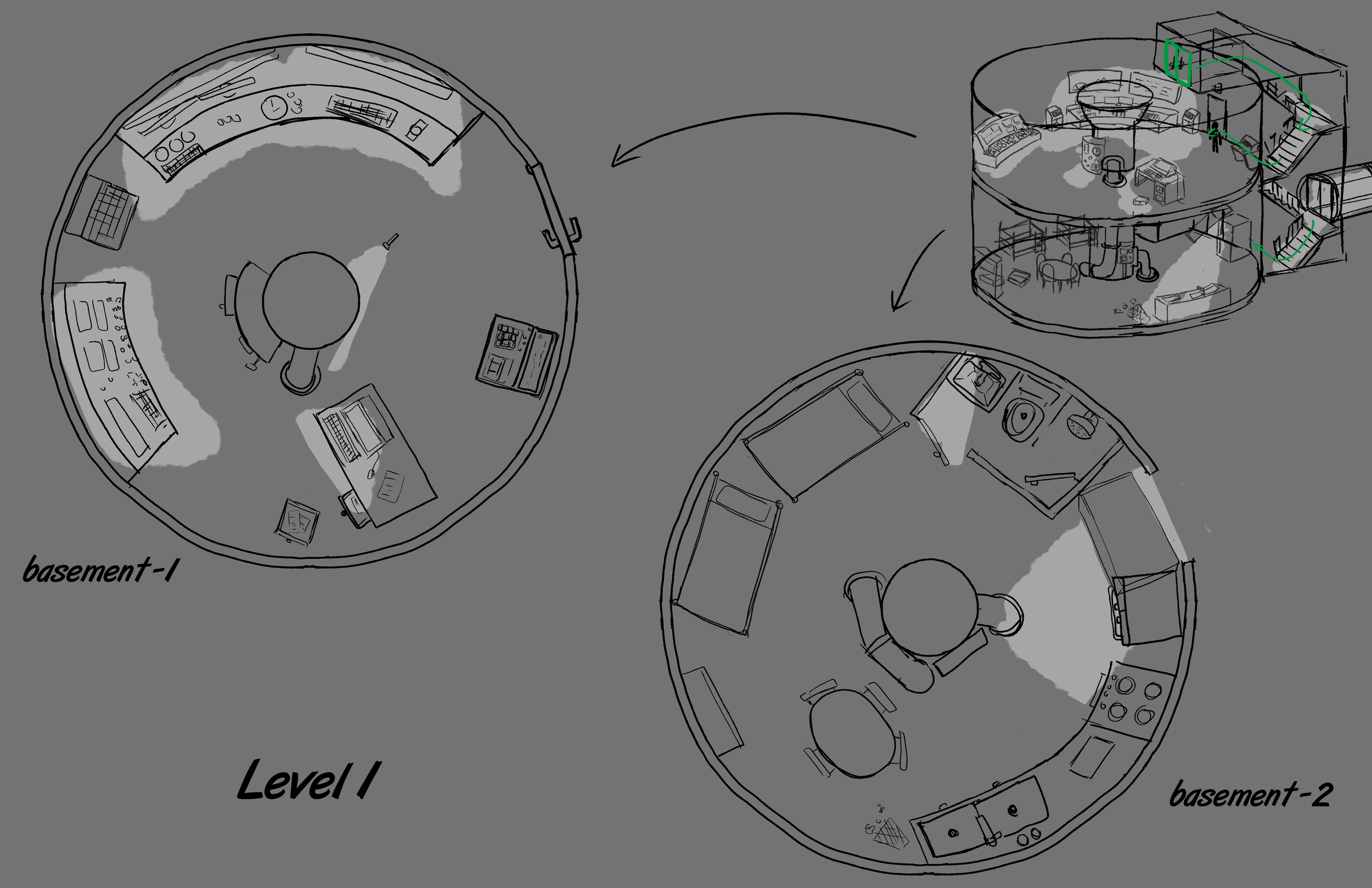
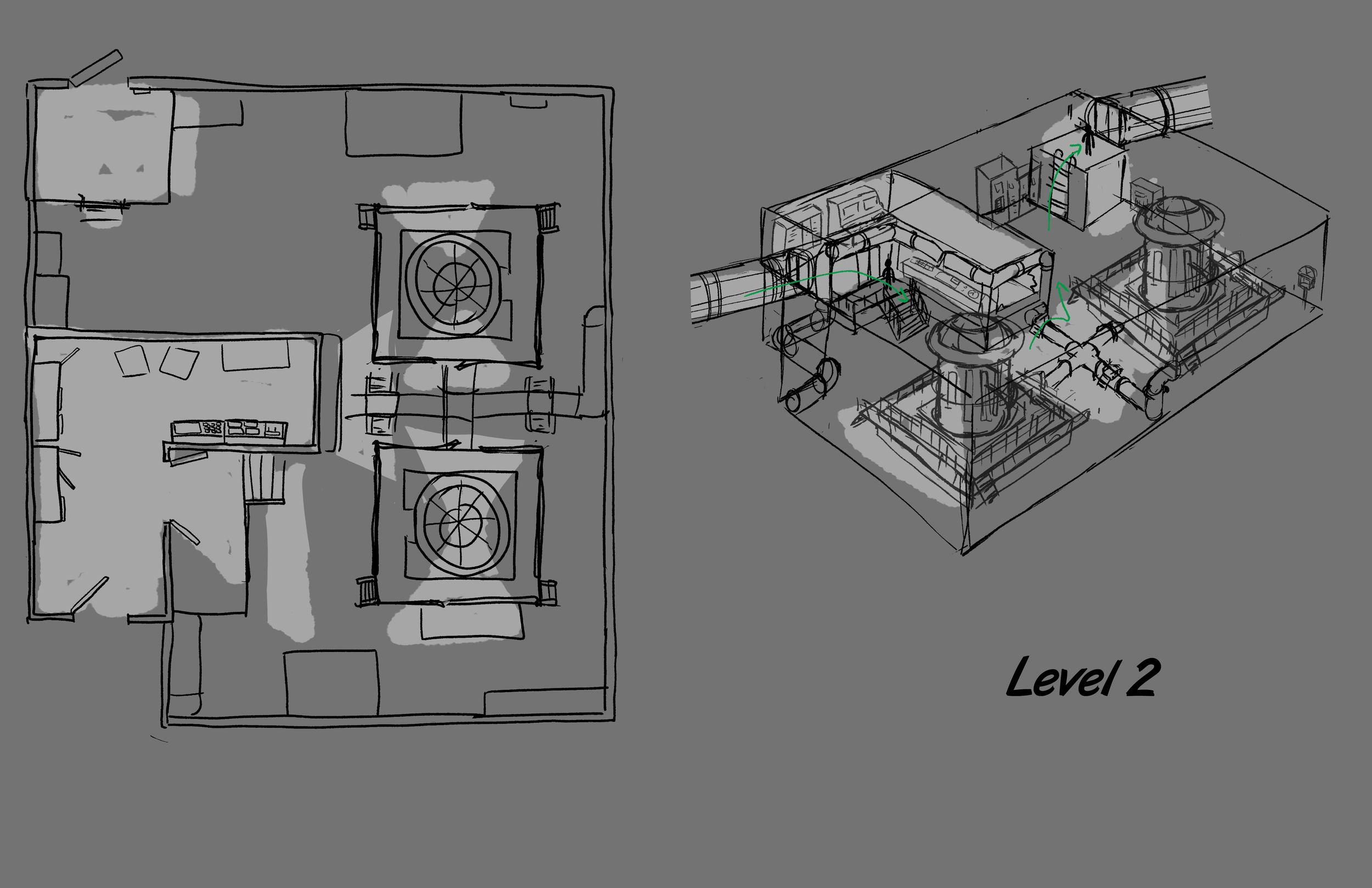
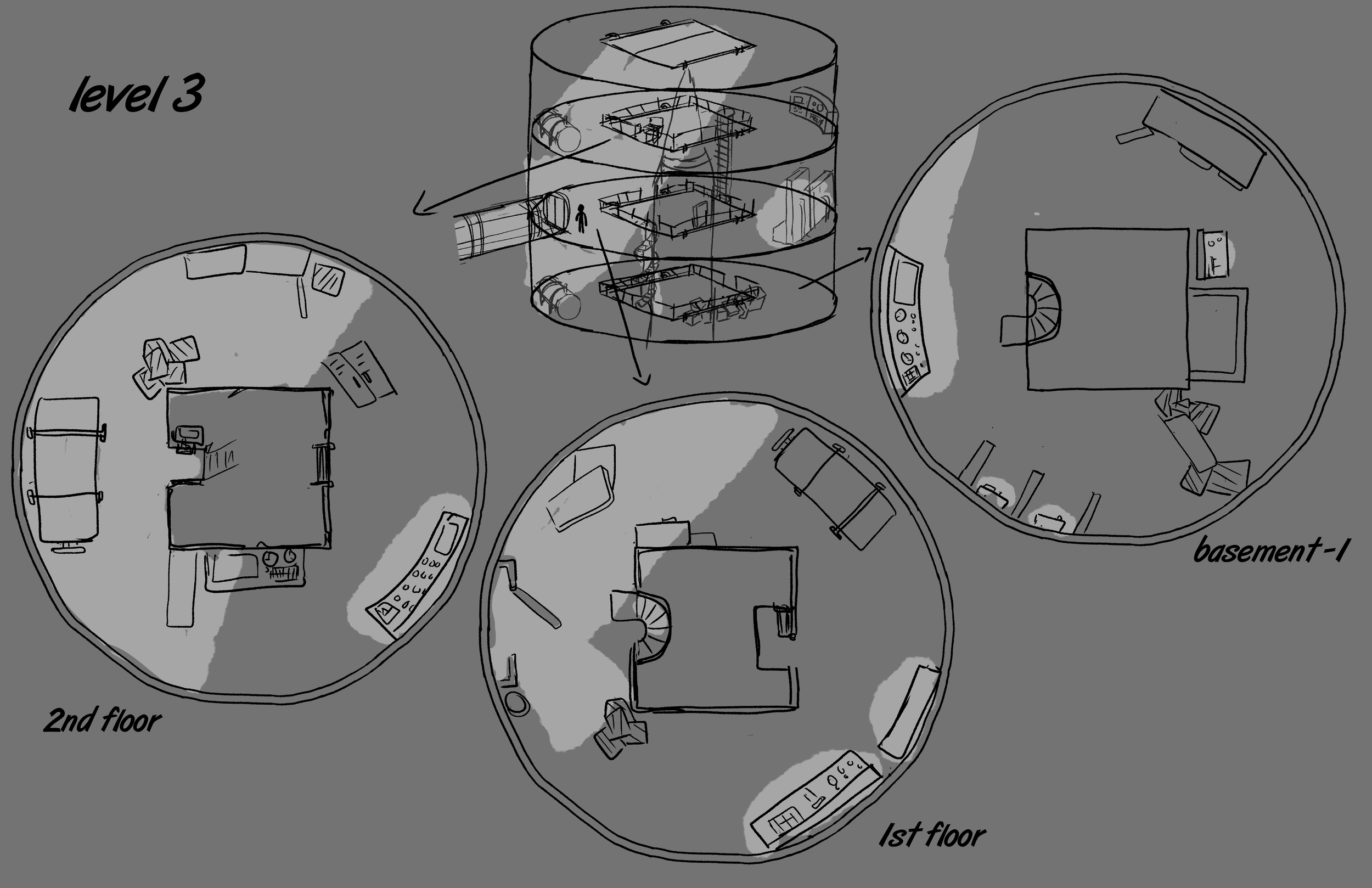

Level Flow/Game Play Beats
Entry / Discovery (Area 1) – The player enters the abandoned missile silo and begins exploring the dim, narrow halls. Distant growls and strange mechanical noises echo through the facility, hinting that something is already moving in the dark.
Gate Activation (Area 1) – The player searches for and presses buttons to open a locked gate, progressing deeper into the structure.
Exploration & Noise Triggers (Area 2) – The player continues forward, stepping on loose metal plates or pressing buttons that produce loud sounds, subtly teaching that noise attracts unwanted attention.
First Encounter (Area 2) – The creature begins patrolling the area, reacting to sound cues and forcing the player to move carefully and plan their path.
Stealth & Escape (Area 3) – The player must bait or avoid the sound-sensitive monster while navigating deeper underground to find another control switch, then return to the upper level to attempt an escape.

Post Mortem
What Went Well:
We successfully created a tense and immersive horror experience by using sound as the main gameplay element. It was also a great opportunity to understand how a full game development pipeline operates — from level design and asset implementation to testing and iteration. The sound trigger system worked effectively to build suspense, and players responded strongly to the creature’s audio cues.
What Went Wrong / Challenges:
Collaborating through GitHub caused several issues early in development. Editing the same level file simultaneously led to merge conflicts and level loss, which slowed down production and required rebuilding certain areas from scratch.
What I Learned / Next Steps:
I learned the importance of using GitHub properly, managing time effectively, and maintaining clear communication and collaboration within a team. I also realized the value of bringing in external playtesters to gather more diverse feedback for improving level design and overall gameplay balance.